Precision at the
molecular level.
Peak Medical Esthetics and Peptide Research is a collective of research scientists and clinicians dedicated to translating peptide science into honest, individualized consultation — bridging the gap between bench research and informed decision-making.
- Disciplines
- Biochemistry · medicine · neuropharmacology · translational science
- Method
- Peer-reviewed sourcing, full citations, and an honest assessment of what the science does and doesn't yet support.
- Scope
- Consultation only — we do not sell compounds, diagnose, treat, or prescribe.
From literature to lived protocol.
The peptide space moves faster than mainstream communication can keep up with. Our role is to act as a careful interpreter — reading the primary literature, weighing the evidence, and helping clients understand what is robust, what is promising, and what remains speculative.
We do not sell supplements or compounds. We sell clarity. Every consultation is an opportunity to make the science accessible without diluting its rigor.
Meet Jay Divito
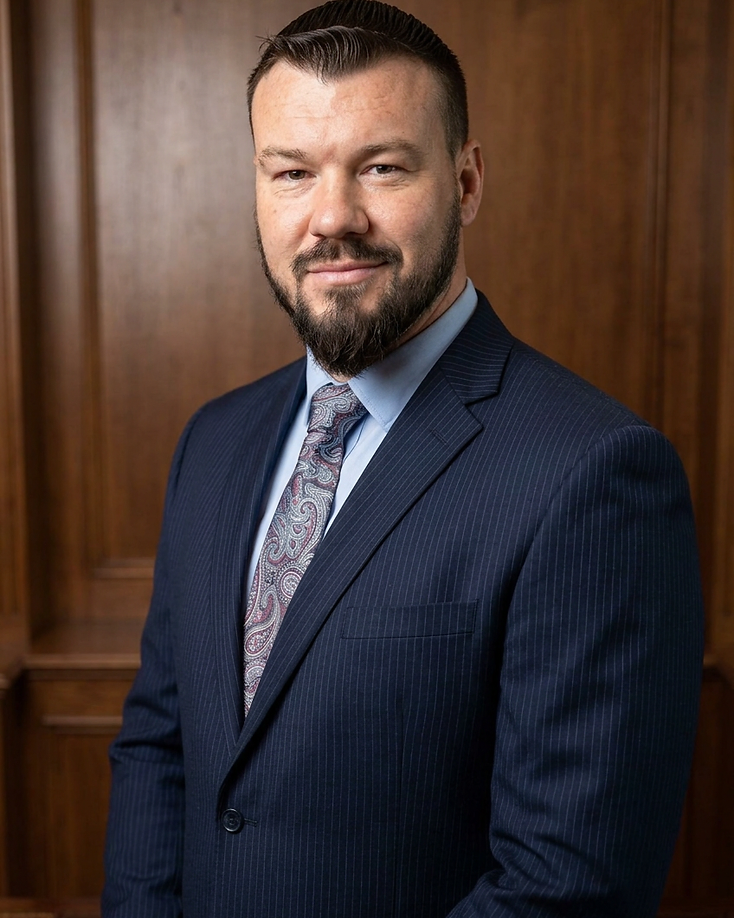
Jay Divito is the founder of Peak Medical Esthetics & Peptide Research and an ISSCA-certified peptide consultant with more than 30 years of experience in business consulting and professional advisory services. His work combines strategic insight, extensive independent research, and a practical understanding of emerging peptide applications.
Through Peak Medical Esthetics & Peptide Research, Jay provides educational peptide consulting, research guidance, supplier evaluation, and individualized informational planning for clients interested in peptides, wellness, longevity, and regenerative health. His approach is focused on clarity, responsible research, and helping clients make informed decisions in collaboration with qualified healthcare professionals.
The field we build upon
Peak stands on a body of work built over decades by independent researchers around the world. We do not employ these scientists — we consult on, translate, and apply their published findings to help you separate what is robust from what is still speculative.
- 1973Loren Pickart, Ph.D.
Isolated the copper-binding tripeptide GHK from human plasma, seeding modern copper-peptide regenerative science.
- 1980s–Jens Juul Holst, M.D.
Isolated and characterized GLP-1 as an active incretin, the hormonal foundation behind modern GLP-1 therapies.
- 1992John Eng, M.D.
Identified exendin-4 in Gila monster venom — a GLP-1-like molecule that became the first GLP-1 drug, exenatide (2005).
- 1990s–Predrag Sikiric, M.D., Ph.D.
Developed the stable gastric pentadecapeptide BPC-157, advancing cytoprotection and tissue-repair research.
- 2000s–David Sinclair, Ph.D.
Established NAD+ biosynthesis and sirtuin activation (e.g. resveratrol, NMN) as regulators of lifespan and healthspan.
- 2000s–Mikhail Blagosklonny, M.D., Ph.D.
Proposed the hyperfunction theory of aging and repurposed rapamycin as an mTOR-modulating geroscience tool.
- 2015Changhan Lee & Pinchas Cohen
Reported MOTS-c, a mitochondrial-encoded peptide regulating metabolic homeostasis — opening mitochondrial-derived therapeutics.
Isolated the copper-binding tripeptide GHK-Cu (glycyl-L-histidyl-L-lysine) from human plasma in 1973, establishing its role in wound healing, collagen synthesis, and tissue regeneration — the foundation of copper-peptide skin and hair science.
Researched the stable gastric pentadecapeptide BPC 157 since the 1990s, building the body of evidence around its cytoprotective and tissue-repair effects across gastrointestinal, musculoskeletal, and neural models.
Discovered exendin-4 in Gila monster venom in 1992 — a peptide structurally similar to human GLP-1 but resistant to degradation. Its synthetic form, exenatide, became the first FDA-approved GLP-1 receptor agonist (2005).
Isolated and characterized GLP-1 as an active incretin hormone, defining its physiology and laying the scientific groundwork for the GLP-1 class of metabolic and weight-management therapies.
Identified NAD+ biosynthesis as a regulator of lifespan and characterized sirtuin-activating molecules including resveratrol and NMN, advancing the science of cellular aging and healthspan.
Proposed the hyperfunction theory of aging and championed rapamycin as a geroscience tool, arguing that moderating mTOR signaling can slow age-related decline — reshaping how the field thinks about aging.
Reported MOTS-c in 2015 (Cell Metabolism) — a 16-amino-acid mitochondrial-encoded peptide that regulates insulin sensitivity and metabolic homeostasis, opening mitochondrial-derived peptides as a therapeutic class.
The researchers above are cited for educational purposes only. They are not affiliated with, employed by, or endorsing Peak Medical Esthetics and Peptide Research, LLC.
This legacy is the standard we hold ourselves to. Our role is to read the primary literature carefully, weigh the evidence honestly, and help you understand what the science supports — and where it still falls short. No hype, no invention: just the published record, made usable.
How we work
Every recommendation is grounded in peer-reviewed literature, not marketing claims.
Protocols are calibrated to your biology, history, and goals — never templated.
Full citations, clear rationale, and honest assessment of what the science does and doesn't yet support.
We consult and educate. We do not diagnose, treat, or prescribe.